


All Products
-
Car Suspension Mount
-
Steering Suspension Components
-
Car Shock Absorber
-
Brake Master Cylinders
-
Drum Brake Shoes
-
Automotive Wheel Bearings
-
Vehicle Spare Parts
-
Clutch Cover Plate
-
Suspension Ball Joints
-
Steering Rack Gearbox
-
Inner Outer Tie Rod End
-
Steering Rack Boot
-
Power Steering Pump
-
Disc Brake Pads
-
Auto Engine Parts
-
 Andrea MontagnaHi Lee,I would like to get 1000pcs of Hliux vigo front shock from last conversation. I know business will be very busy once we finish Quarantine this May.Everything will going again. I would like for shock absorber be produced during this period so when things open I could have in shipment or soon to be received.Thank you.
 -
Seium HossainHi Leo, Thanks, All brake shoes and brake pads arrived in good condition and were just what we required.
-
Andresproducto muy,supera mis espectativas.Gracias!
-
Jose BurgVery nice! The product quality is very good! The packing is beautiful!
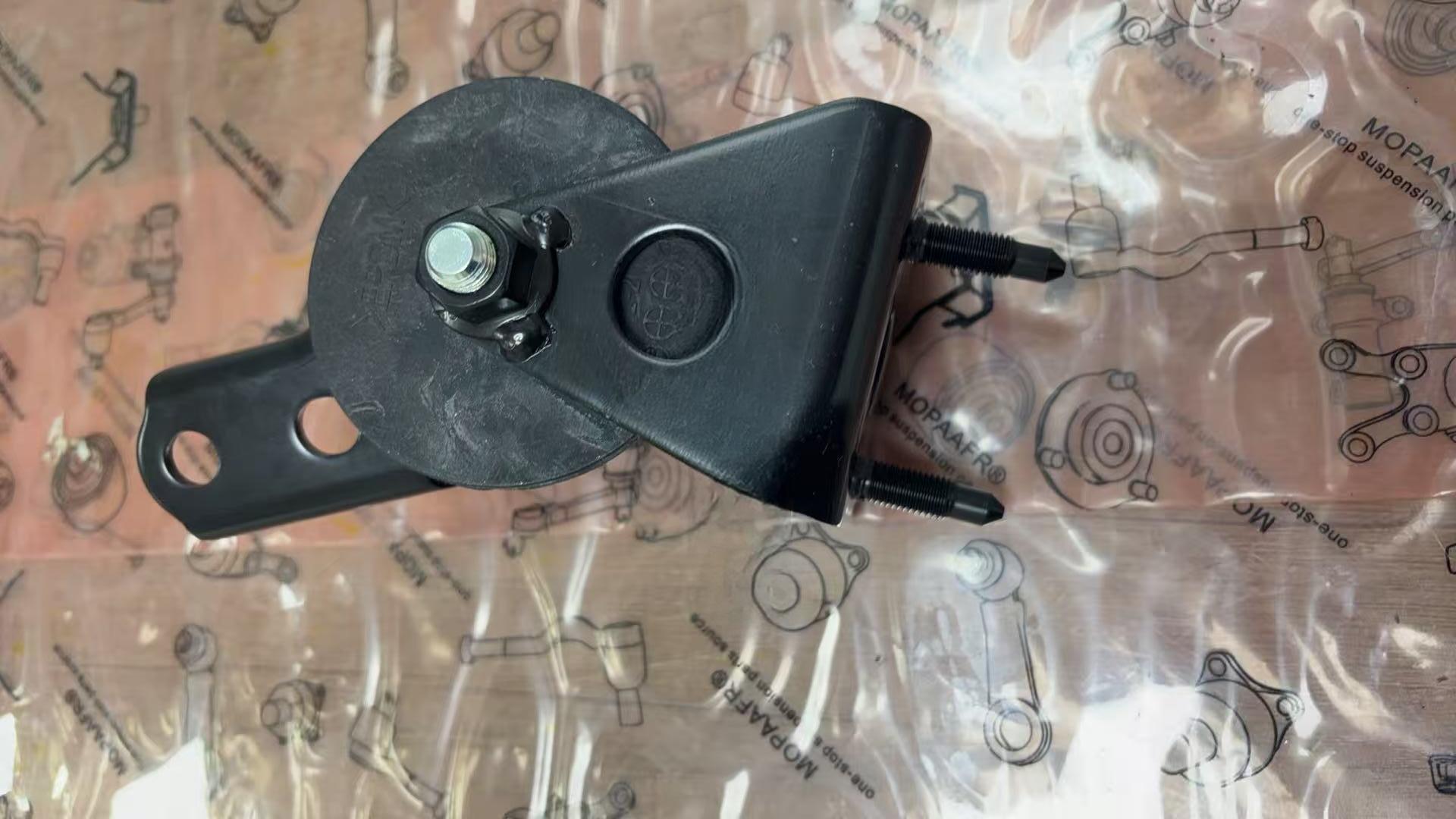
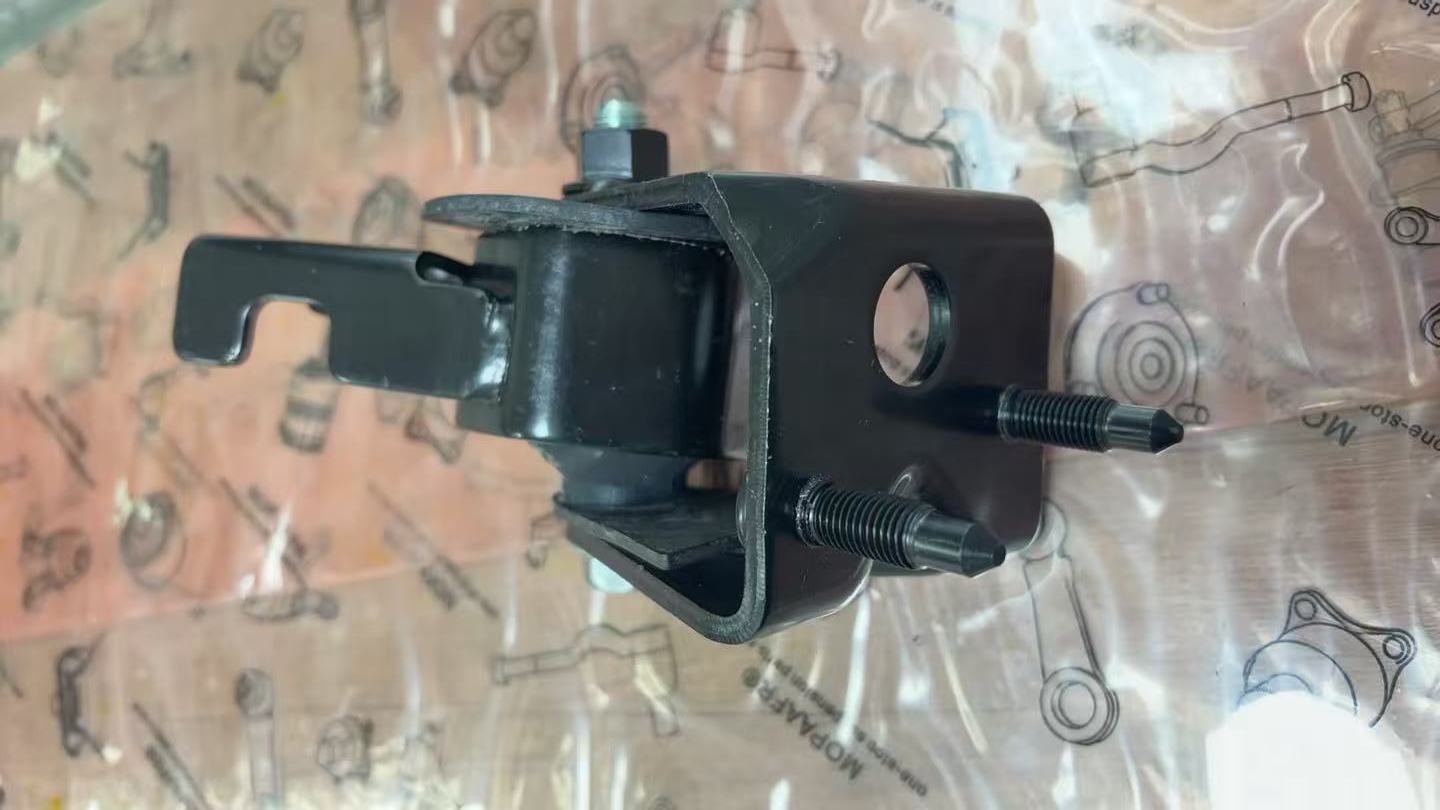
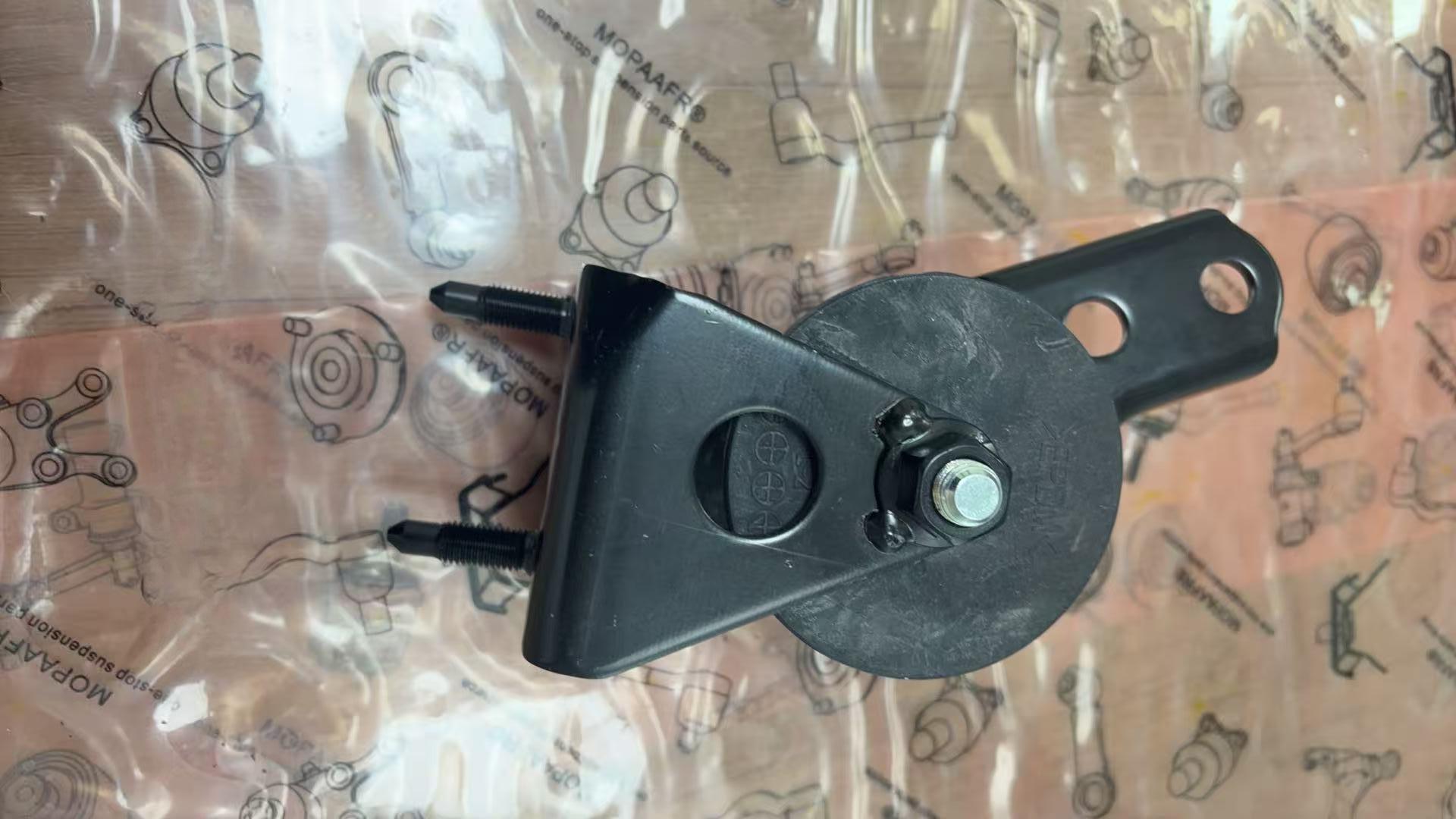
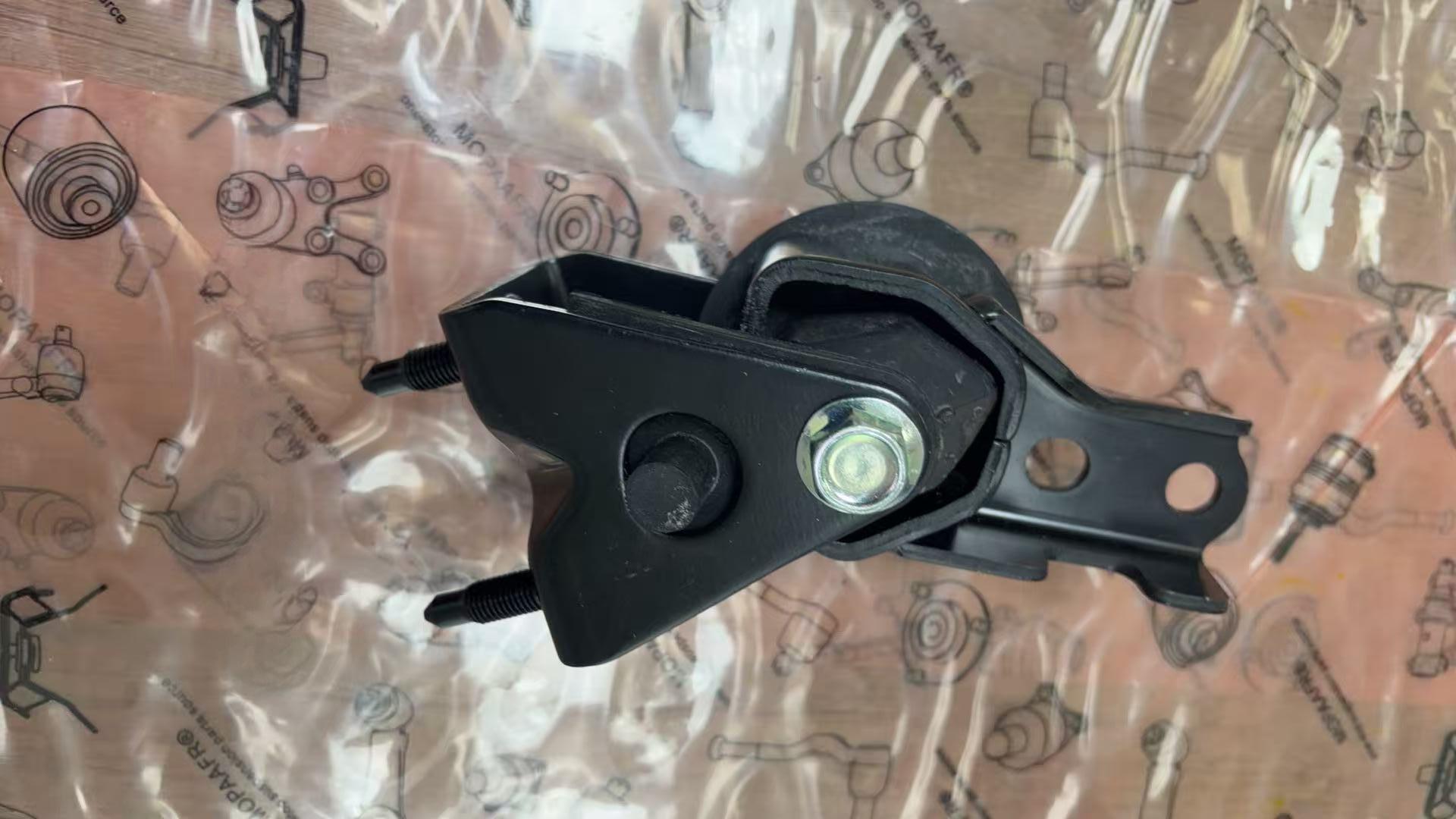
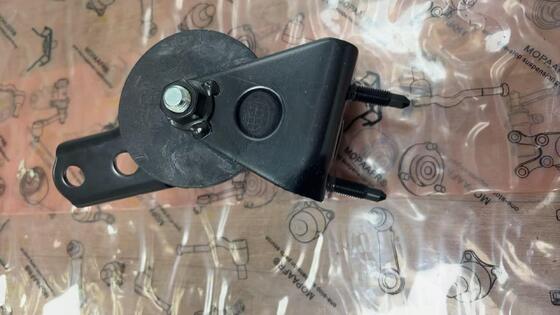
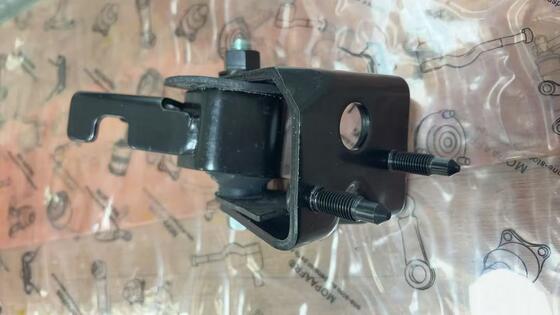
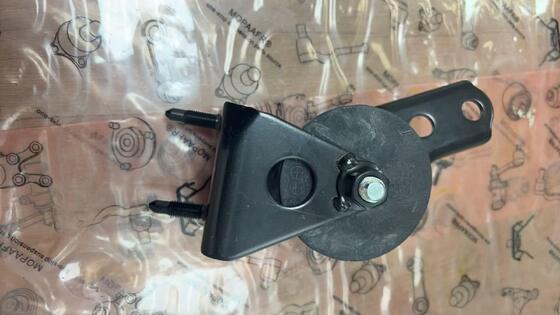
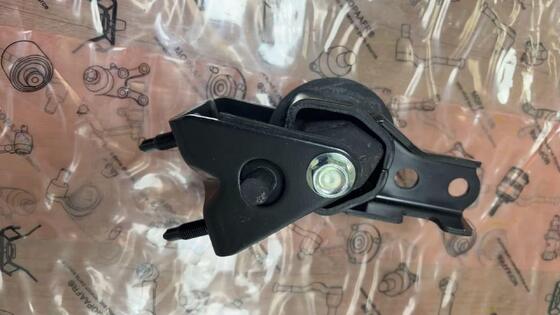
12380-0P070 Engine Mount For 123800P070 TOYOTA Kluger Highlander Asu4 Gsu4 3.5L
| Place of Origin | CHINA |
|---|---|
| Brand Name | MOPAAFR |
| Certification | TS16949 |
| Model Number | 12380-0P070 |
| Document | 12380-0P070.pdf |
| Minimum Order Quantity | 10pcs |
| Price | whole price |
| Packaging Details | brown box |
| Delivery Time | 5-8work days |
| Payment Terms | L/C,D/A,D/P,T/T |
| Supply Ability | 35000pcs-40000pcs/month |
Product Details
| Part Number | 12380-0P070 | Product Type | Engine Mount Torque Bracket |
|---|---|---|---|
| Position | Engine Upper / Torque Strut Bracket | Material | Steel / Rubber Bushing |
| Installation Type | Direct Replacement | Warranty | Quality Assurance |
| Highlight | TOYOTA Kluger engine mount,Highlander 3.5L engine mount,12380-0P070 engine mount replacement |
||
Product Description
Product Function Description
The engine mount torque bracket is a critical component of your Toyota vehicle‘s powertrain support system. Also known as the engine torque strut or engine mount stopper, this bracket controls engine movement during acceleration, deceleration, and gear changes, reducing excessive rocking and protecting other drivetrain components from stress. For Toyota Highlander (XU40), Kluger, Previa (Estima), and compatible models, a properly functioning torque bracket is essential for smooth power delivery, stable handling, and preventing damage to engine mounts and transmission components. This component is designed to factory specifications, ensuring proper fit and reliable performance.
DIY Diagnosis Guide
How to Tell If Your Engine Torque Bracket Needs Replacement:
Unlike rubber engine mounts, a torque bracket is a metal structural component that typically does not wear out unless damaged. However, it should be inspected in the following scenarios:
-
Visible damage – Cracks, bends, or breaks in the bracket due to impact or severe stress
-
Engine movement – Excessive engine movement during acceleration or braking, indicating the bracket may not be holding properly
-
Clunking noise – Metallic clunking sounds from the engine bay when shifting or accelerating, potentially due to a broken bracket
-
Corrosion – Severe rust or corrosion that may compromise structural integrity
-
After mount failure – When replacing rubber engine mounts, inspect the torque bracket for damage
💡 Quick inspection: With the engine off, visually inspect the bracket for cracks, bends, or broken mounting points. Check that all mounting bolts are present and tightened properly. The bracket is a solid metal component and should not flex or move when engine torque is applied .
Product Attributes
| Part Number | 12380-0P070 |
| Product Type | Engine Mount Torque Bracket / Mounting Bracket |
| Application | Engine Mounting System |
| Engine Compatibility | 2GR-FE (3.5L V6) |
| Position | Right-Hand Side (RH) / Engine Lower Side |
| Material | Steel or Aluminum |
| Function | Anchors engine to subframe/mount, controls torque movement |
| Mounting Type | Bolt-on structural bracket |
| Installation | Direct replacement |
| Warranty | 365 days |
Why Choose This Torque Bracket?
Restores Engine Movement Control – A worn torque bracket allows excessive engine rocking during shifts and acceleration. This new bracket restores proper engine movement control for smooth operation.
Eliminates Clunking and Harsh Shifts – A failing bracket causes clunks and harsh gear engagement. Replacing it eliminates these noises and restores smooth, quiet gear changes.
Prevents Further Drivetrain Damage – A failed torque bracket puts stress on other engine mounts and transmission components. Replacing it early helps prevent more costly repairs.
Direct Replacement – Precision-engineered to match the original bracket specifications. Direct bolt-on replacement – no modifications required.
Quality Construction – Manufactured with steel bracket and quality rubber bushing to withstand demanding operating conditions and provide long service life.
Installation Guidelines
Tools typically required:
-
Socket wrench set (metric)
-
Torque wrench
-
Jack and block of wood (to support engine)
-
Penetrating oil (for rusted bolts)
-
Safety gloves and eye protection
General installation reference (always follow vehicle-specific service manual):
| Step | Procedure |
|---|---|
| 1 | Park the vehicle on level ground and allow the engine to cool. |
| 2 | Place a jack with a wood block under the engine or transmission to support the weight. |
| 3 | Locate the torque bracket on the right-hand side of the engine or transmission. |
| 4 | Remove the mounting bolts securing the bracket to the engine/transmission and subframe. |
| 5 | Remove the old bracket from the vehicle. |
| 6 | Compare the new bracket with the old unit to ensure identical fitment. |
| 7 | Install the new 12380-0P070 bracket into position. |
| 8 | Hand-tighten all mounting bolts. |
| 9 | Torque all bolts to the manufacturer's specified value. |
| 10 | Remove the jack support. |
| 11 | Start the engine and check for any abnormal movement or vibration. |
Important:
-
This is a structural bracket — ensure all bolts are torqued to specification.
-
If replacing the torque bracket due to breakage, check for underlying issues such as worn engine mounts that may have caused excessive stress.
-
If you are unsure about any step, consult a qualified mechanic.
Installation Tips & Common Mistakes
The Mistake When Replacing a Torque Bracket:
❌ Wrong: Failing to torque bolts to specification or not supporting the engine properly.
✅ Correct:
-
Support the engine properly – Use a jack with a wood block to prevent the engine from shifting.
-
Compare the new bracket to the old one – Ensure identical fitment before installation.
-
Torque all bolts to specification – This is a structural component; proper torque is critical.
-
Check for underlying issues – If the bracket broke, check engine mounts for wear.
⚠️ Remember: A torque bracket is a metal structural component, not a rubber vibration mount. It does not wear out with age like rubber mounts do, but can break if the engine moves excessively due to worn mounts or impact.
Package Contents
-
1 × Engine Mount Torque Bracket
-
Protective packaging with part number label
Note: Contents may vary by supplier. Confirm with your specific seller.
FAQ
Q1: Is this the same as a rubber engine mount?
A1: No. This is a metal torque bracket that controls engine movement. Rubber engine mounts absorb vibration. They work together but are different parts.
Q2: Does this bracket wear out with age?
A2: No. This is a metal structural component and does not degrade with age. It only needs replacement if damaged (cracked, bent, or broken) .
Q3: Should I replace this when replacing engine mounts?
A3: Not automatically. Inspect the torque bracket for damage when replacing rubber mounts. If the bracket is cracked, bent, or broken, replace it. Otherwise, it can be reused .
Quality Assurance & Service Commitment
Quality Assurance:
Every component is manufactured under controlled production processes to ensure consistent dimensional accuracy and material integrity. Each unit undergoes the following quality checks before packaging:
-
Dimensional inspection – critical mounting points and bolt hole positions are verified against design specifications
-
Material integrity check – structural strength is verified
-
Surface finish inspection – corrosion protection and surface quality are visually verified
Packaging Protection:
Each torque bracket is individually sealed in protective packaging to prevent contamination and physical damage during storage and transit. The packaging includes a clear part number label for easy identification.
Service Commitment:
| Commitment | Description |
|---|---|
| Pre-sale support | Fitment verification assistance – we help confirm compatibility before you order |
| Timely dispatch | Orders are processed and shipped within the stated handling time |
| Secure packaging | Protective packaging to prevent transit damage |
| Responsive support | Customer service inquiries are typically addressed within 24 hours |
| Fair resolution | Any issues with your order will be reviewed and resolved promptly |
Recommended Related Products
45503-29775
TOYOTA KLUGER L/V ACU25/MCU25 4WD 2000-
2007
48815-48010
TOYOTA KLUGER L/V ACU25/MCU25 4WD 2000-
2007
48760-48040
TOYOTA KLUGER L/V ACU25/MCU25 4WD 2000-
2007
45503-49125
TOYOTA KLUGER L/V ACU25/MCU25 4WD 2000-
2007
48730-48110
TOYOTA KLUGER L/V ACU25/MCU25 4WD 2000-
2007
48710-48020
TOYOTA KLUGER L/V ACU25/MCU25 4WD 2000-
2007
48452-32030
TOYOTA KLUGER L/V ACU25/MCU25 4WD 2000-
2007
4241048041
TOYOTA HIGHLANDER
ASU40/GSU4#/GVU48/MHU48 JPP 2007-2014
TOYOTA HIGHLANDER HV MHU28 4WD 2005-2007
48609-48040
TOYOTA AVALON GSX30 2005-2012
TOYOTA CAMRY ACV40/GSV40 2006-2011
TOYOTA HIGHLANDER ASU40/GSU4# 2007-2013
Recommended Products
