Product Description
Product Function Description
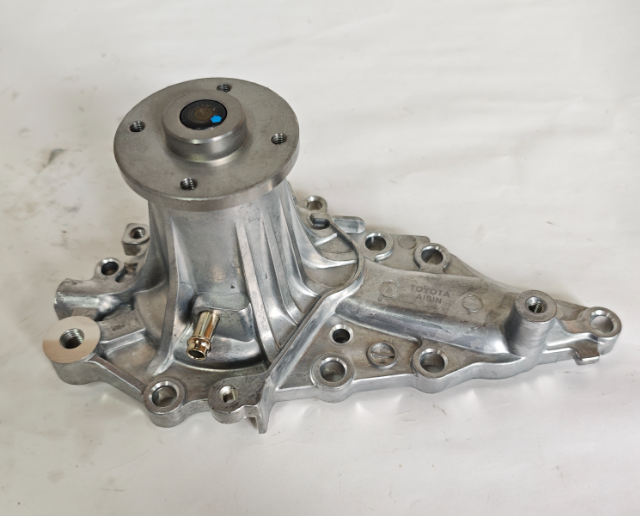
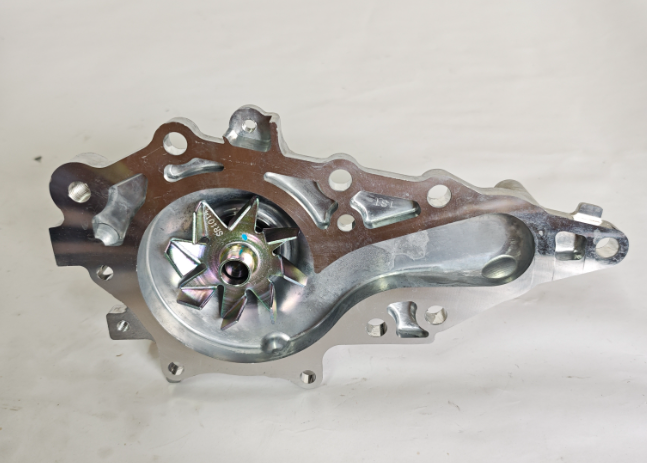
The water pump is a critical component of your Lexus IS engine‘s cooling system. Its primary function is to circulate coolant through the engine block, cylinder head, and radiator, dissipating the intense heat generated by the combustion process. For the 3.0L 2JZ-GE inline-6 engine found in the Lexus IS I (XE10) 2001-2005, a properly functioning water pump is essential for maintaining optimal engine temperature, preventing overheating, and protecting engine components from thermal damage. This component is designed to factory specifications, ensuring proper fit and reliable cooling system operation.
Common Symptoms of a Failing Water Pump
If you are experiencing any of the following symptoms, your water pump may be failing and in need of replacement :
-
Coolant leaks: Coolant leak from the weep hole or around the housing – this indicates the seal is failing
-
Grinding or whining noise: Unusual noise from the pump area that increases with engine speed – this indicates bearing wear
-
Engine overheating: Temperature gauge spikes or overheating warnings – this happens when the pump cannot circulate enough coolant
-
Weak cabin heat: Heater blows cold at idle, then warm at higher RPM – this suggests insufficient coolant flow
-
Steam or coolant smell: Sweet coolant odor near the pump area after driving
If you have confirmed these symptoms through inspection, replacing the water pump is the recommended solution.
How to Diagnose a Faulty Water Pump
Before purchasing a replacement, perform these simple checks to confirm the water pump is the issue:
-
Visual Inspection: Look for coolant stains or wetness around the water pump mounting area, especially near the weep hole on the underside of the pump housing. Check for play in the pulley.
-
Physical Test: With the engine off and cool, remove the drive belt and spin the water pump pulley by hand. Feel for roughness, play, or wobble. A smooth rotation indicates good bearing condition.
-
Road Test: Monitor the temperature gauge while driving. If the engine runs hotter than normal, especially at highway speeds or under load, this indicates insufficient coolant circulation.
-
Coolant Level Check: If the coolant level keeps dropping with no obvious hose leaks, the pump is a prime suspect.
Product Specifications
Why Choose This Water Pump?
Restores Cooling System Function – A failing water pump causes overheating and engine damage. This pump restores proper coolant flow, keeping your engine at optimal operating temperature for reliable performance.
Prevents Costly Engine Damage – Overheating from a failed water pump can cause warped cylinder heads, blown head gaskets, and severe engine damage. Replacing a failing pump early is cost-effective protection.
Direct Replacement – Precision-engineered to match the original water pump specifications. Direct bolt-on replacement – no modifications required. AISIN is the Original Equipment manufacturer for Toyota water pumps .
Proven Compatibility – This pump is confirmed compatible with Lexus IS300 (XE10) 2001-2005 with the 3.0L 2JZ-GE engine .
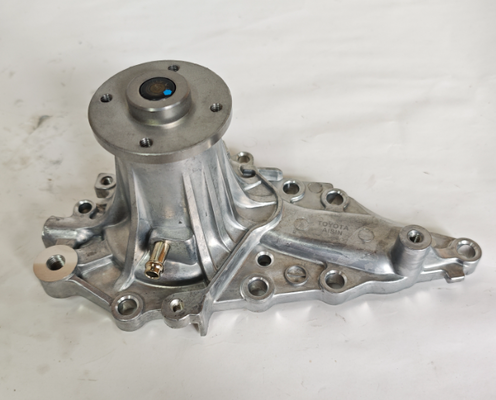
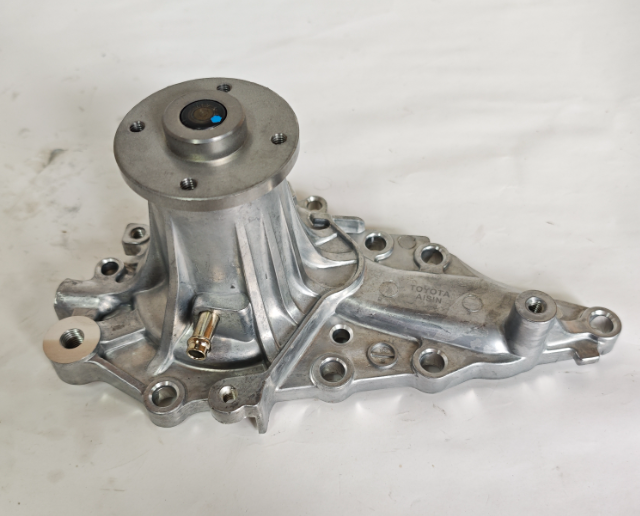
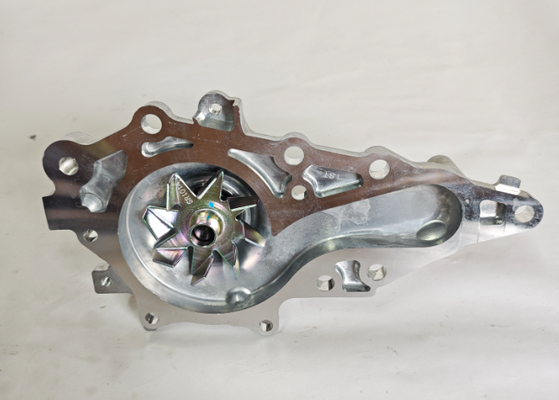
Quality Construction – Manufactured with cast aluminium housing and quality bearings to withstand demanding operating conditions and provide long service life. The water pumps feature aluminum die-cast construction and 100% leakage and functional testing .
Installation Tips & Common Mistakes
The Mistake When Replacing a 2JZ-GE Water Pump:
❌ Wrong: Replacing the water pump without checking or replacing the timing belt.
✅ Correct:
-
Always replace the timing belt at the same time – On the 2JZ-GE engine, the water pump is driven by the timing belt. If the belt fails later, it can cause engine damage and you will have to pay labor twice.
-
Always use a new gasket – Reusing an old gasket is the most common cause of leaks.
-
Clean the sealing surface thoroughly – Use a gasket scraper to remove all old gasket material.
-
Check the timing belt tensioner – While the timing belt is off, inspect the tensioner and idler pulleys.
-
Compare the new pump against the old one before installation – Check housing shape, gasket profile, and pulley position.
⚠️ Remember: The 2JZ-GE water pump is behind the timing cover, so a failed pump means removing the timing belt again. Doing both jobs at once saves time and money.
Industry Knowledge
2JZ-GE Engine & Its Water Pump:
The 2JZ-GE is a 3.0L inline-6 engine used in various Lexus models, including the Lexus IS I (IS300), Supra, and Crown. It is a DOHC naturally aspirated engine known for its smoothness, reliability, and durability .
Engine Specifications:
-
Displacement: 3.0L (2997 cc)
-
Configuration: Inline-6, DOHC, naturally aspirated
-
Bore x Stroke: 86 mm x 86 mm
-
Output: Approx. 210–220 hp
Why This Pump is Different:
-
The water pump is driven by the timing belt, not the accessory drive belt
-
The pump is located behind the timing cover, requiring removal of the timing belt for replacement
-
This is why water pump replacement is often combined with timing belt service
Common Service Practice:
-
When replacing the timing belt on a 2JZ-GE, it is strongly recommended to replace the water pump at the same time
-
The additional cost is minimal compared to the labor of doing the job twice
-
This also prevents future failure that would require disassembly all over again
What to Check When Replacing the Pump:
-
Timing belt – Check for wear, cracking, or glazing; replace if needed
-
Timing belt tensioner – Check for smooth operation and proper tension
-
Idler pulleys – Check for wear or noise
-
Camshaft and crankshaft seals – Inspect for leaks while the timing belt is removed
Package Contents
Note: The water pump gasket may or may not be included. Confirm with your specific seller. The timing belt is not included.
After Replacement Still Having Issues?
Replaced the water pump but still having cooling issues? Check these:
-
Was the timing belt replaced? – If the timing belt was old, it may have affected pump operation or timing
-
Is there air in the cooling system? – Bleed the system properly to remove trapped air
-
Is the thermostat working? – A stuck thermostat can cause overheating regardless of the water pump
-
Is the radiator blocked? – Debris or scale in the radiator can restrict coolant flow
-
Are the hoses in good condition? – Collapsed or cracked hoses can restrict flow
-
Is the coolant mixture correct? – Incorrect coolant or mixture ratio affects cooling efficiency
-
Is the timing belt tension correct? – Incorrect tension can affect pump and belt operation
After-Sales Service & Warranty
This product is covered by our quality assurance. If you have any questions or issues regarding fitment or quality, please contact us and we will respond within 24 hours.
Related Product Recommendations
When replacing the water pump on the 2JZ-GE engine, it is strongly recommended to inspect and replace the following related components at the same time.
Recommended Related Parts:
Timing Belt – The water pump is driven by the timing belt. Replace both at the same time to save labor and prevent future failure.
Timing Belt Tensioner – The tensioner maintains proper belt tension. Replace during timing belt service.
Idler Pulleys – The idler pulleys guide the timing belt. Check for wear or noise and replace if needed.
Camshaft Seals – While the timing belt is removed, inspect the camshaft seals for leaks.
Crankshaft Front Seal – Check the crankshaft front seal for leaks while the timing belt is removed.





 Your message must be between 20-3,000 characters!