


All Products
-
Car Suspension Mount
-
Steering Suspension Components
-
Car Shock Absorber
-
Brake Master Cylinders
-
Drum Brake Shoes
-
Automotive Wheel Bearings
-
Vehicle Spare Parts
-
Clutch Cover Plate
-
Suspension Ball Joints
-
Steering Rack Gearbox
-
Inner Outer Tie Rod End
-
Steering Rack Boot
-
Power Steering Pump
-
Disc Brake Pads
-
Auto Engine Parts
-
 Andrea MontagnaHi Lee,I would like to get 1000pcs of Hliux vigo front shock from last conversation. I know business will be very busy once we finish Quarantine this May.Everything will going again. I would like for shock absorber be produced during this period so when things open I could have in shipment or soon to be received.Thank you.
 -
Seium HossainHi Leo, Thanks, All brake shoes and brake pads arrived in good condition and were just what we required.
-
Andresproducto muy,supera mis espectativas.Gracias!
-
Jose BurgVery nice! The product quality is very good! The packing is beautiful!
-
Laura FernándezBuscaba una pieza difícil de encontrar y la tenían en stock. El envío fue rápido y el embalaje muy seguro. Volveré a comprar.
-
Andrés MoraAtención al cliente excelente, me ayudaron a confirmar la compatibilidad antes de comprar. El producto funciona de maravilla.
-
Nicolas BernardJ'ai comparé plusieurs sites avant d'acheter, celui-ci offrait le meilleur rapport qualité-prix. Je ne suis pas déçu.
-
Antoine LefèvreCommande expédiée vite, suivi de livraison carré. La qualité est au rdv. Franchement, bonne expérience.
-
Sébastien RouxRien à redire, tout est parfait. La livraison rapide, le produit conforme, et en plus j'ai eu un petit conseil par téléphone. Au top.
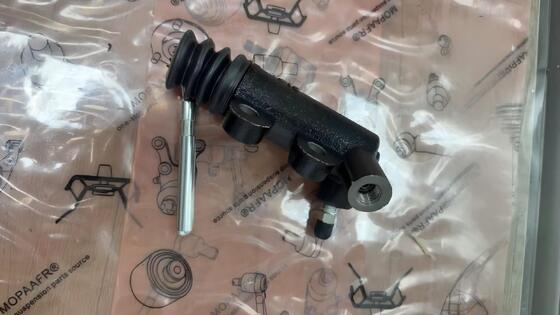
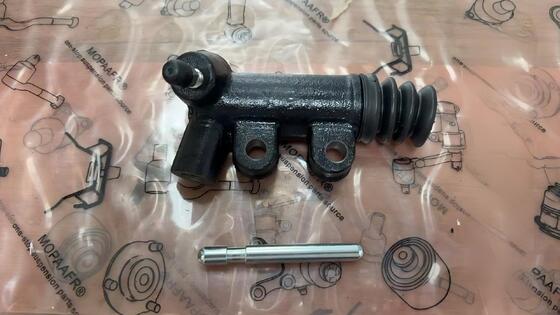
31470-10040 CLUTCH RELEASE CYLINDER for 3147010040 TOYOTA COROLLA PASEO STARLET


| Place of Origin | CHINA |
|---|---|
| Brand Name | confidential |
| Certification | TS16949 |
| Model Number | 31470-10040 |
| Document | 31470-10040.pdf |
| Minimum Order Quantity | 10pcs |
| Price | whole price |
| Packaging Details | brown box |
| Delivery Time | 5-8work days |
| Payment Terms | L/C,D/A,D/P,T/T |
| Supply Ability | 35000pcs-40000pcs/month |
Product Details
| Part Number | 31470-10040 | Product Type | Clutch Slave Cylinder / Clutch Release Cylinder |
|---|---|---|---|
| Vehicle Fitment | Toyota Corolla (E10/E11), Paseo, Starlet, Tercel | Material | Cast Iron / Gray Iron |
| Vehicle Type | Sedan / Hatchback | Warranty | Quality Assurance |
| Highlight | TOYOTA COROLLA clutch release cylinder,PASEO STARLET clutch cylinder,31470-10040 clutch cover plate |
||
You can tick the products you need and communicate with us in the message board.
| 31470-10040 |
|---|
Product Description
Product Function Description
The clutch release cylinder (also known as the clutch slave cylinder) is a critical component of your Toyota vehicle‘s hydraulic clutch system. This hydraulic actuator converts fluid pressure from the clutch master cylinder into mechanical movement, which pushes the clutch fork to disengage the clutch when you press the pedal. For Toyota Corolla (E10/E11), Paseo, Starlet, and compatible models, a properly functioning clutch release cylinder is essential for smooth gear changes, consistent clutch pedal feel, and reliable clutch operation. This component is designed to factory specifications, ensuring proper fit and reliable hydraulic performance .
DIY Diagnosis Guide
How to Tell If Your Clutch Slave Cylinder Needs Replacement:
Look for these common signs:
-
Clutch pedal feels spongy or goes to the floor – The pedal offers little or no resistance when pressed
-
Difficulty shifting gears – Gears are hard to engage, especially first and reverse
-
Clutch fluid leaks – Brake/clutch fluid visible around the transmission bell housing or under the vehicle
-
Low clutch fluid level – The reservoir level drops without visible external leaks (may indicate internal leak)
-
Clutch pedal vibration – Vibration felt through the pedal during actuation
💡 Quick inspection: With the vehicle on level ground, check the clutch fluid reservoir level. Inspect the slave cylinder for signs of leakage, particularly around the push rod and rubber boot. Have a helper press the clutch pedal while you observe the slave cylinder movement—if it doesn't move or moves erratically, the cylinder may be failing.
When This Part Matters Most
This clutch slave cylinder is particularly important for vehicles that are:
-
Used for daily commuting with frequent stop-and-go traffic – these conditions put more wear on the clutch system
-
High-mileage vehicles where original seals have degraded over time
-
Showing early signs of clutch fluid leaks or spongy pedal feel
-
Toyota Corolla, Paseo, and Starlet models where smooth shifting is essential for driving comfort
In these conditions, the clutch slave cylinder works continuously and seals wear faster, making regular inspection and timely replacement essential for reliable clutch operation.
Product Specifications
| Parameter | Details |
|---|---|
| Part Number | 31470-10040 |
| Product Type | Clutch Slave Cylinder / Clutch Release Cylinder |
| Vehicle Fitment | Toyota Corolla (E10/E11), Paseo (1995-1999), Starlet (EP91, 1996-1999), Tercel |
| Bore Diameter | 13/16 inch (20.64 mm) |
| Material | Cast Iron / Gray Iron |
| Thread Size | M10 x 1.0 |
| Installation Type | Direct Replacement |
Fitment Guidance
Important: Fitment depends on the specific chassis, engine, and production date of your vehicle. Always verify using the vehicle identification number (VIN) or the existing part number before installation.
Known Compatible Models:
| Model | Notes |
|---|---|
| Toyota Corolla | Manual transmission models |
| Toyota Starlet | Manual transmission models |
| Toyota Paseo | Manual transmission models |
Important Fitment Notes:
-
This clutch slave cylinder is for manual transmission vehicles.
-
Confirmed for Toyota Corolla, Starlet, and Paseo models.
-
Always confirm compatibility using your VIN before purchasing.
Installation Tips & Common Mistakes
The Mistake When Replacing a Clutch Slave Cylinder:
❌ Wrong: Failing to bleed the clutch system properly after installation.
✅ Correct:
-
Always bleed the clutch system – Air in the hydraulic system can cause a spongy pedal and incomplete clutch disengagement.
-
Use a flare nut wrench – Prevents rounding of hydraulic line fittings.
-
Use fresh fluid – Old fluid may contain moisture that can damage seals.
-
Check the push rod – Ensure the push rod is correctly seated in the clutch fork.
-
Check for leaks – After bleeding, inspect all connections for fluid seepage.
⚠️ Remember: A properly bled clutch system results in a firm, consistent pedal feel. If the pedal feels spongy or goes to the floor, there may still be air in the system.
Package Contents
-
1 × Clutch Slave Cylinder
-
Protective packaging with part number label
Note: Confirm with your specific seller.
FAQ
Q1: How can I be sure this clutch slave cylinder fits my vehicle?
A1: Check the existing part number on your current slave cylinder. This part fits Toyota Corolla, Starlet, and Paseo manual transmission models. Always verify via VIN.
Q2: Does this come with the push rod?
A2: This depends on the specific supplier. Some include the push rod, others do not. Confirm with your seller.
Q3: What fluid should I use?
A3: Use DOT 3 or DOT 4 brake/clutch fluid as specified in the owner's manual.
After Replacement Still Having Issues?
Replaced the clutch slave cylinder but still having issues? Check these:
-
Was the system properly bled? – Air in the system can cause a spongy pedal and shifting issues
-
Is the clutch master cylinder working correctly? – A failing master cylinder can cause similar symptoms
-
Is the push rod correctly seated? – Improper installation can cause incorrect clutch actuation
-
Is the clutch fork worn or damaged? – A worn fork can affect clutch engagement
-
Is the clutch fluid the correct type? – Use DOT 3 or DOT 4 as specified
-
Is there a leak in the hydraulic line? – A leak anywhere in the system can cause pedal issues
After-Sales Service & Warranty
This product is covered by our quality assurance. If you have any questions or issues regarding fitment or quality, please contact us and we will respond within 24 hours.
Recommended Related Products
When replacing the clutch slave cylinder, it is often recommended to inspect and consider replacing the following related components at the same time.
Clutch Master Cylinder – The master cylinder supplies hydraulic pressure to the slave cylinder. If one is failing, the other may also be worn. Replace as a set for optimal system reliability.
Clutch Hydraulic Line / Hose – Inspect the hydraulic line for cracks, swelling, or leaks. Replace if signs of deterioration are present.
Clutch Release Bearing – The release bearing is actuated by the clutch fork. If the transmission is being removed for other work, inspect and replace if worn.
Clutch Disc – The friction disc wears over time. If the transmission is being removed, inspect the clutch disc for wear or contamination and replace if needed.
Pressure Plate – The pressure plate applies force to the clutch disc. If worn or damaged, it can cause clutch slippage and affect bearing performance.
Recommended Products
