


All Products
-
Car Suspension Mount
-
Steering Suspension Components
-
Car Shock Absorber
-
Brake Master Cylinders
-
Drum Brake Shoes
-
Automotive Wheel Bearings
-
Vehicle Spare Parts
-
Clutch Cover Plate
-
Suspension Ball Joints
-
Steering Rack Gearbox
-
Inner Outer Tie Rod End
-
Steering Rack Boot
-
Power Steering Pump
-
Disc Brake Pads
-
Auto Engine Parts
-
 Andrea MontagnaHi Lee,I would like to get 1000pcs of Hliux vigo front shock from last conversation. I know business will be very busy once we finish Quarantine this May.Everything will going again. I would like for shock absorber be produced during this period so when things open I could have in shipment or soon to be received.Thank you.
 -
Seium HossainHi Leo, Thanks, All brake shoes and brake pads arrived in good condition and were just what we required.
-
Andresproducto muy,supera mis espectativas.Gracias!
-
Jose BurgVery nice! The product quality is very good! The packing is beautiful!
-
Laura FernándezBuscaba una pieza difícil de encontrar y la tenían en stock. El envío fue rápido y el embalaje muy seguro. Volveré a comprar.
-
Andrés MoraAtención al cliente excelente, me ayudaron a confirmar la compatibilidad antes de comprar. El producto funciona de maravilla.
-
Nicolas BernardJ'ai comparé plusieurs sites avant d'acheter, celui-ci offrait le meilleur rapport qualité-prix. Je ne suis pas déçu.
-
Antoine LefèvreCommande expédiée vite, suivi de livraison carré. La qualité est au rdv. Franchement, bonne expérience.
-
Sébastien RouxRien à redire, tout est parfait. La livraison rapide, le produit conforme, et en plus j'ai eu un petit conseil par téléphone. Au top.
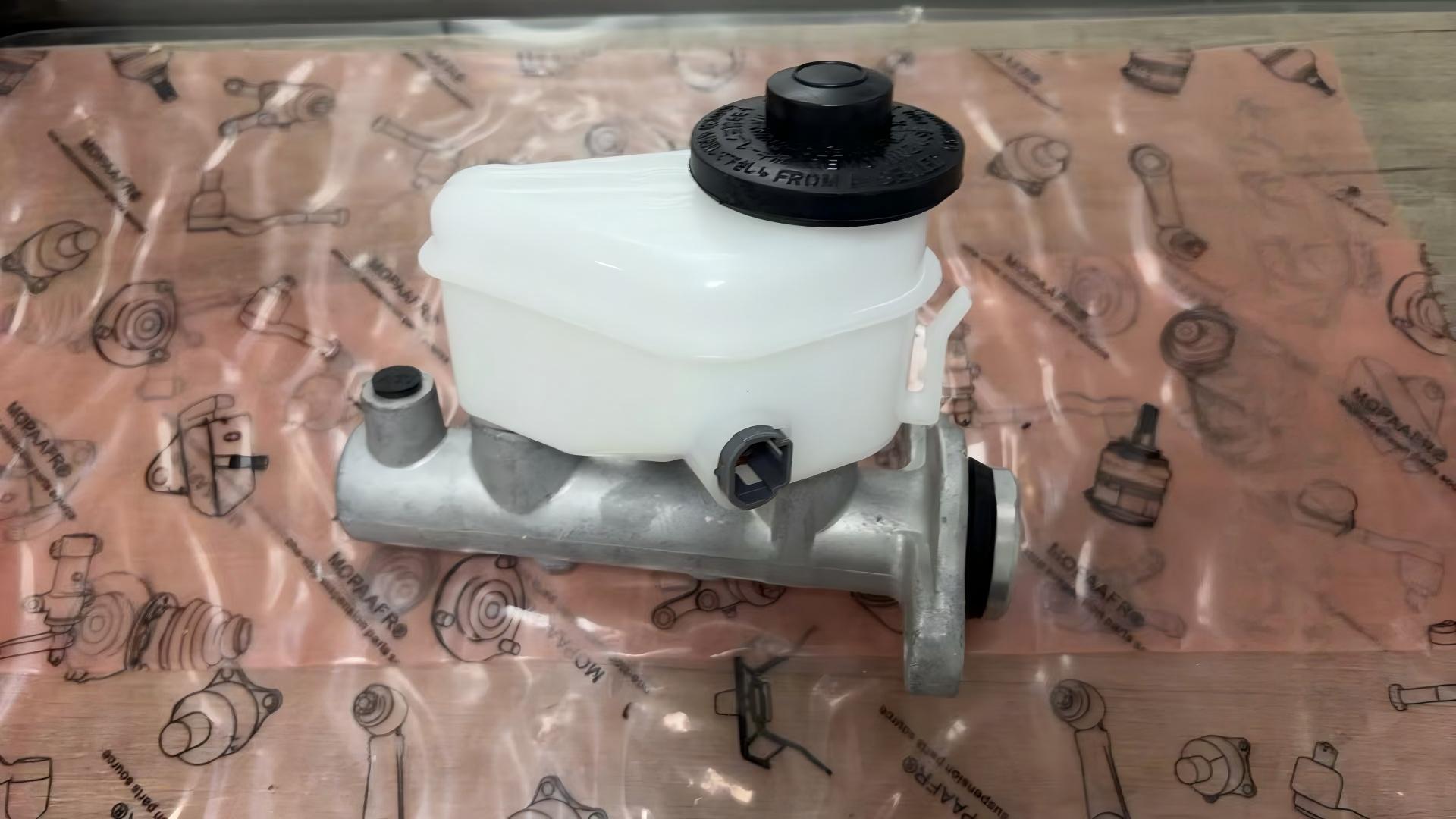
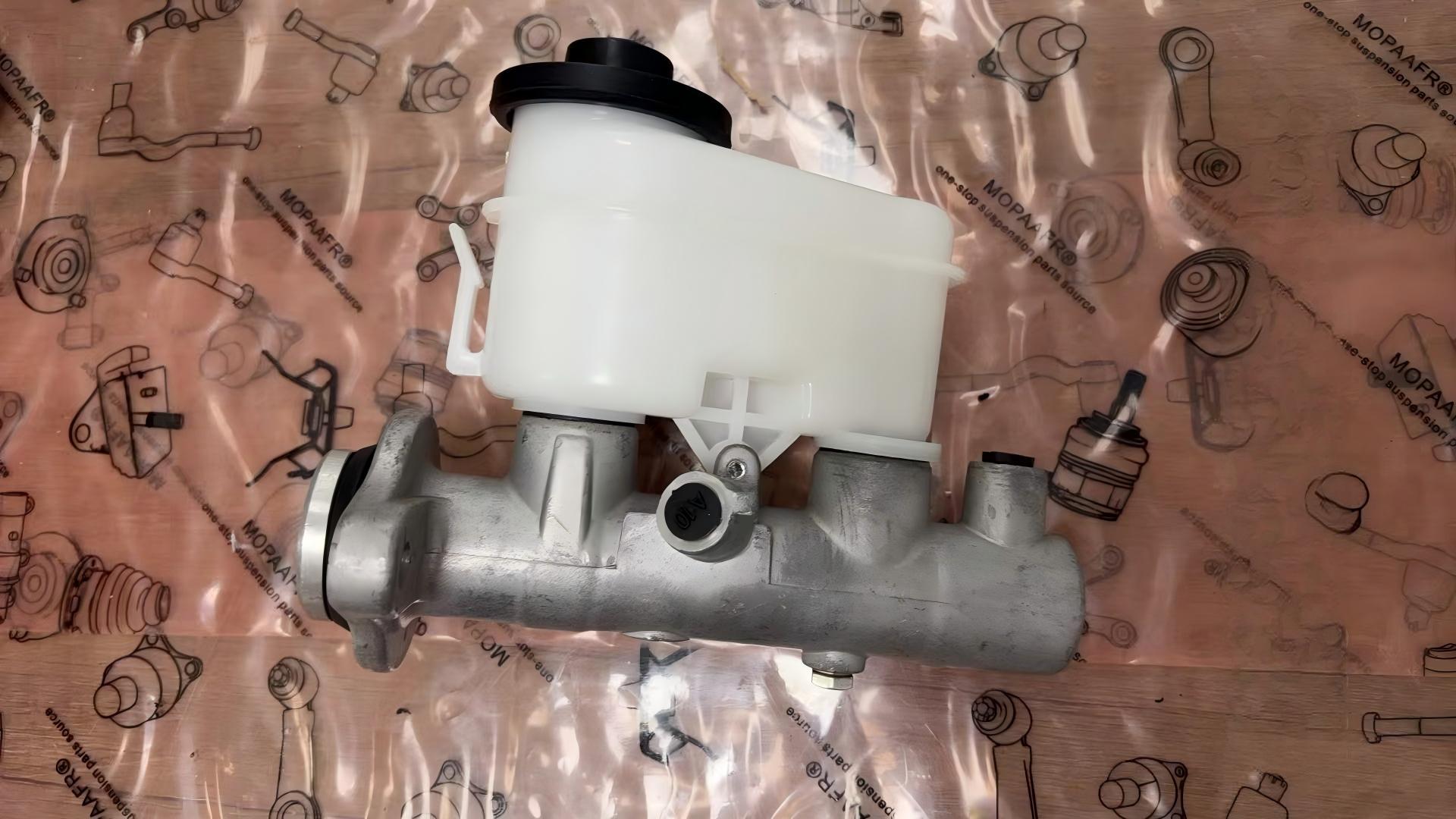
47201-42020 Brake Master Cylinder for 4720142020 Toyota Rav4 SXA1 2.0L
| Place of Origin | CHINA |
|---|---|
| Brand Name | confidential |
| Certification | TS16949 |
| Model Number | 47201-42020 |
| Document | 47201-42020.pdf |
| Minimum Order Quantity | 10pcs |
| Price | whole price |
| Packaging Details | brown box |
| Delivery Time | 5-8work days |
| Payment Terms | L/C,D/A,D/P,T/T |
| Supply Ability | 35000pcs-40000pcs/month |
Product Details
| Part Number | 47201-42020 | Product Type | Brake Master Cylinder |
|---|---|---|---|
| Vehicle Fitment | Toyota RAV4 I (XA10) (1994-2000) | Engine Compatibility | 2.0L Petrol |
| Material | Aluminum | Warranty | Quality Assurance |
| Highlight | Toyota Rav4 brake master cylinder,47201-42020 brake cylinder,2.0L engine brake master cylinder |
||
You can tick the products you need and communicate with us in the message board.
| 47201-42020 |
|---|
Product Description
Product Function Description
The brake master cylinder is a critical component of your Toyota RAV4‘s braking system. This hydraulic device converts the mechanical force of the brake pedal into hydraulic pressure, distributing brake fluid through the brake lines to activate the brakes at each wheel. For the first-generation Toyota RAV4 I (XA10, 1994-2000), a properly functioning brake master cylinder is essential for consistent braking performance, reliable stopping power, and safe vehicle operation. This component is designed to factory specifications, ensuring proper fit and reliable brake system performance. The part number 47201-42020 is confirmed for this application and is compatible with models without ABS .
Common Symptoms of a Failing Brake Master Cylinder
If you are experiencing any of the following symptoms, your brake master cylinder may be failing and in need of replacement:
-
Spongy or soft brake pedal: The pedal feels mushy and travels too far before engaging – this indicates internal seal failure or fluid bypass
-
Brake pedal slowly sinks to the floor: The pedal continues to drop while holding pressure at a stop – this suggests internal leakage
-
Brake fluid leaks: Visible fluid under the vehicle or around the master cylinder area – this indicates external seal failure
-
Reduced braking power: The vehicle takes longer to stop than normal – this suggests insufficient hydraulic pressure
-
Brake warning light: The dashboard warning light illuminates
-
Discolored brake fluid: Dark or contaminated fluid in the reservoir – this indicates moisture or particulate contamination
If you have confirmed these symptoms through inspection, replacing the brake master cylinder is the recommended solution.
Product Specifications
| Parameter | Details |
|---|---|
| Part Number | 47201-42020 |
| Product Type | Brake Master Cylinder Assembly |
| Vehicle Fitment | Toyota RAV4 I (XA10) (1994-2000) |
| Chassis Compatibility | XA10 series |
| Engine Compatibility | 2.0L Petrol |
| Drive Type | LHD (Left-Hand Drive) |
| ABS Configuration | WITHOUT ABS |
| Bore Diameter | 22.2 mm (7/8 inch) |
| Number of Outlets | 2 |
| Outlet Thread Size | M10 x 1.0 |
| Mounting Stud Holes | 2 |
| Material | Aluminum |
| Reservoir | Included |
| Weight | Approx. 0.69 kg |
| Installation Type | Direct Replacement |
Why Choose This Brake Master Cylinder?
Restores Braking Performance – A failing master cylinder reduces braking effectiveness and compromises vehicle safety. This new cylinder restores proper hydraulic pressure for reliable stopping power.
Direct Replacement – Precision-engineered to match the original cylinder specifications. Direct bolt-on replacement – no modifications required. This part number is confirmed to replace OE 47201-42020.
Proven Compatibility – This cylinder is confirmed compatible with Toyota RAV4 I (XA10, 1994-2000) LHD models without ABS .
Quality Construction – Manufactured with aluminum construction and includes the reservoir for a complete replacement solution.
Essential for Vehicle Safety – The brake master cylinder is a critical safety component that directly affects stopping ability and vehicle control.
Package Contents
1 x Brake Master Cylinder Assembly (includes reservoir) . Note: Mounting hardware and brake fluid are NOT included unless stated. Please confirm compatibility with your vehicle model, year, and ABS configuration before purchasing.
Installation Tips & Common Mistakes
The Mistake When Replacing a Brake Master Cylinder:
❌ Wrong: Failing to bench-bleed the master cylinder before installation, or not bleeding the entire system afterward.
✅ Correct:
-
Always bench-bleed the new master cylinder before installation – This removes trapped air from the cylinder itself.
-
Use a flare nut wrench – Prevents rounding of brake line fittings.
-
Bleed the entire brake system after installation – Follow the correct bleeding sequence (typically furthest wheel first).
-
Use fresh DOT 3 brake fluid – Never reuse old fluid as it may contain moisture and contaminants.
-
Check that the reservoir is included – This part is supplied with reservoir .
⚠️ Remember: If the master cylinder is installed without proper bleeding, the brake pedal will feel spongy or go to the floor. A properly bled system results in a firm, consistent pedal feel.
Inspection & Maintenance Recommendations
The brake master cylinder is a critical safety component that should be inspected regularly. Any signs of leakage or abnormal pedal feel require immediate attention.
Common indicators that the master cylinder may need replacement:
| Indicator | Description |
|---|---|
| Spongy brake pedal | Brake pedal feels soft or spongy under pressure |
| Sinking pedal | Pedal slowly sinks to the floor under steady pressure |
| Fluid leaks | Brake fluid visible at the cylinder-to-booster joint or pipe connections |
| Low fluid level | Reservoir level drops without visible external leaks |
| Brake warning light | Warning light illuminated on the dashboard |
| Discolored fluid | Brake fluid appears dark or contaminated |
Inspection Checklist:
-
Check the master cylinder for fluid leakage at the cylinder-to-booster joint and at pipe connections.
-
Check brake fluid level and condition (dark, contaminated fluid indicates wear).
-
Check for a sinking or spongy brake pedal.
-
Check brake fluid color—contaminated fluid should be replaced.
Maintenance Tips:
-
Replace brake fluid every 2 years or 40,000 km to prevent moisture contamination.
-
Use DOT 3 brake fluid as specified.
-
Keeping the brake fluid clean and at the right level is key to master cylinder longevity.
After Replacement Still Having Issues?
Replaced the master cylinder but still having brake issues? Check these:
-
Is there air in the brake system? – Bleed the entire system again in the correct sequence
-
Was the master cylinder bench-bled? – If not, air may be trapped inside the cylinder
-
Are the brake lines properly tightened? – Loose connections can allow air to enter
-
Is the brake booster working? – A failed booster can cause a hard pedal, not a spongy one
-
Are the brake hoses in good condition? – Swollen or damaged hoses can cause pedal issues
-
Is there a leak elsewhere in the system? – Check wheel cylinders and calipers for leaks
Quality Assurance & Service Commitment
Quality Assurance:
Every component is manufactured under controlled production processes to ensure consistent dimensional accuracy and material integrity. Each unit undergoes the following quality checks before packaging:
-
Dimensional inspection – critical mounting points and bore diameter are verified against design specifications
-
Hydraulic seal test – sealing integrity is confirmed
-
Surface finish inspection – corrosion protection and surface quality are visually verified
Packaging Protection:
Each brake master cylinder is individually sealed in protective packaging to prevent contamination and physical damage during storage and transit. The packaging includes a clear part number label for easy identification.
Service Commitment:
| Commitment | Description |
|---|---|
| Pre-sale support | Fitment verification assistance – we help confirm compatibility before you order |
| Timely dispatch | Orders are processed and shipped within the stated handling time |
| Secure packaging | Protective packaging to prevent transit damage |
| Responsive support | Customer service inquiries are typically addressed within 24 hours |
| Fair resolution | Any issues with your order will be reviewed and resolved promptly |
Related Product Recommendations
When replacing the brake master cylinder, it is often recommended to inspect and consider replacing the following related components at the same time.
Brake Booster – The master cylinder mounts to the brake booster. If the booster is failing, brake pedal effort may be increased. Signs include a hissing noise or a hard pedal.
Brake Lines (Metal Pipes) – Inspect brake lines for corrosion or damage. Rusted lines can leak and cause brake failure.
Brake Hoses (Rubber) – Rubber hoses can become swollen, cracked, or soft over time. Swollen hoses can restrict fluid flow and cause a spongy pedal or uneven braking.
Brake Calipers – Inspect the front calipers for leaks, sticking pistons, or damaged dust boots. A sticking caliper can cause pulling, uneven pad wear, and reduced fuel efficiency.
Brake Pads – Inspect brake pad thickness. If pads are worn thin, replace them. Contaminated pads from brake fluid leaks should always be replaced.
Brake Rotors / Discs – Inspect rotors for scoring, warping, or uneven wear. Replace if worn beyond specifications. Warped rotors can cause vibration during braking.
Brake Drum and Shoes (Rear) – If the vehicle has rear drum brakes, inspect the drums for scoring and the shoes for wear or contamination. Replace as needed.
Recommended Products
