


All Products
-
Car Suspension Mount
-
Steering Suspension Components
-
Car Shock Absorber
-
Brake Master Cylinders
-
Drum Brake Shoes
-
Automotive Wheel Bearings
-
Vehicle Spare Parts
-
Clutch Cover Plate
-
Suspension Ball Joints
-
Steering Rack Gearbox
-
Inner Outer Tie Rod End
-
Steering Rack Boot
-
Power Steering Pump
-
Disc Brake Pads
-
Auto Engine Parts
-
 Andrea MontagnaHi Lee,I would like to get 1000pcs of Hliux vigo front shock from last conversation. I know business will be very busy once we finish Quarantine this May.Everything will going again. I would like for shock absorber be produced during this period so when things open I could have in shipment or soon to be received.Thank you.
 -
Seium HossainHi Leo, Thanks, All brake shoes and brake pads arrived in good condition and were just what we required.
-
Andresproducto muy,supera mis espectativas.Gracias!
-
Jose BurgVery nice! The product quality is very good! The packing is beautiful!
51100-54P21 Brake Master Cylinder Fits 5110054P21 SUZUKI SX4 S-CROSS VITARA D16AA 1.6L
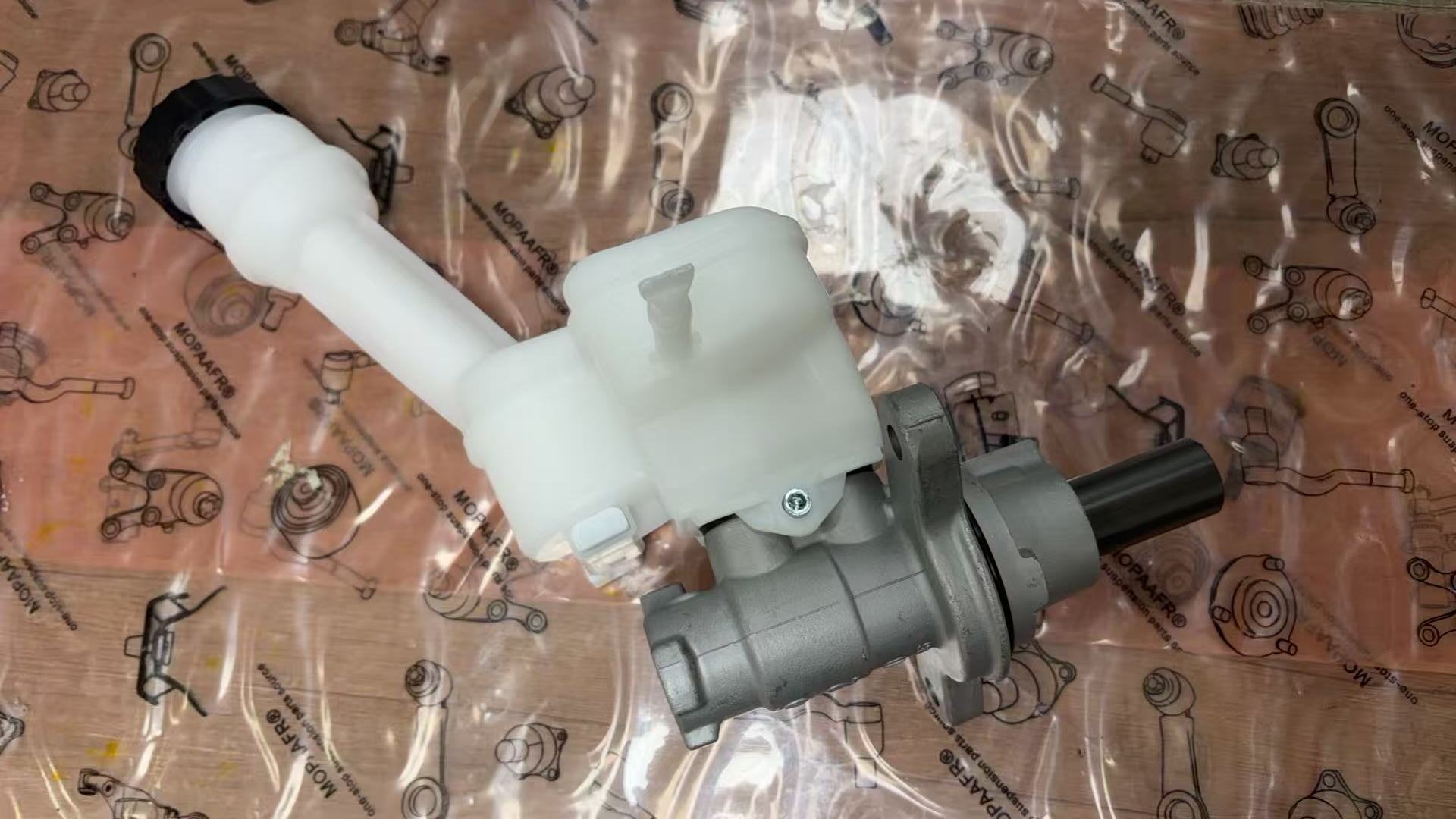
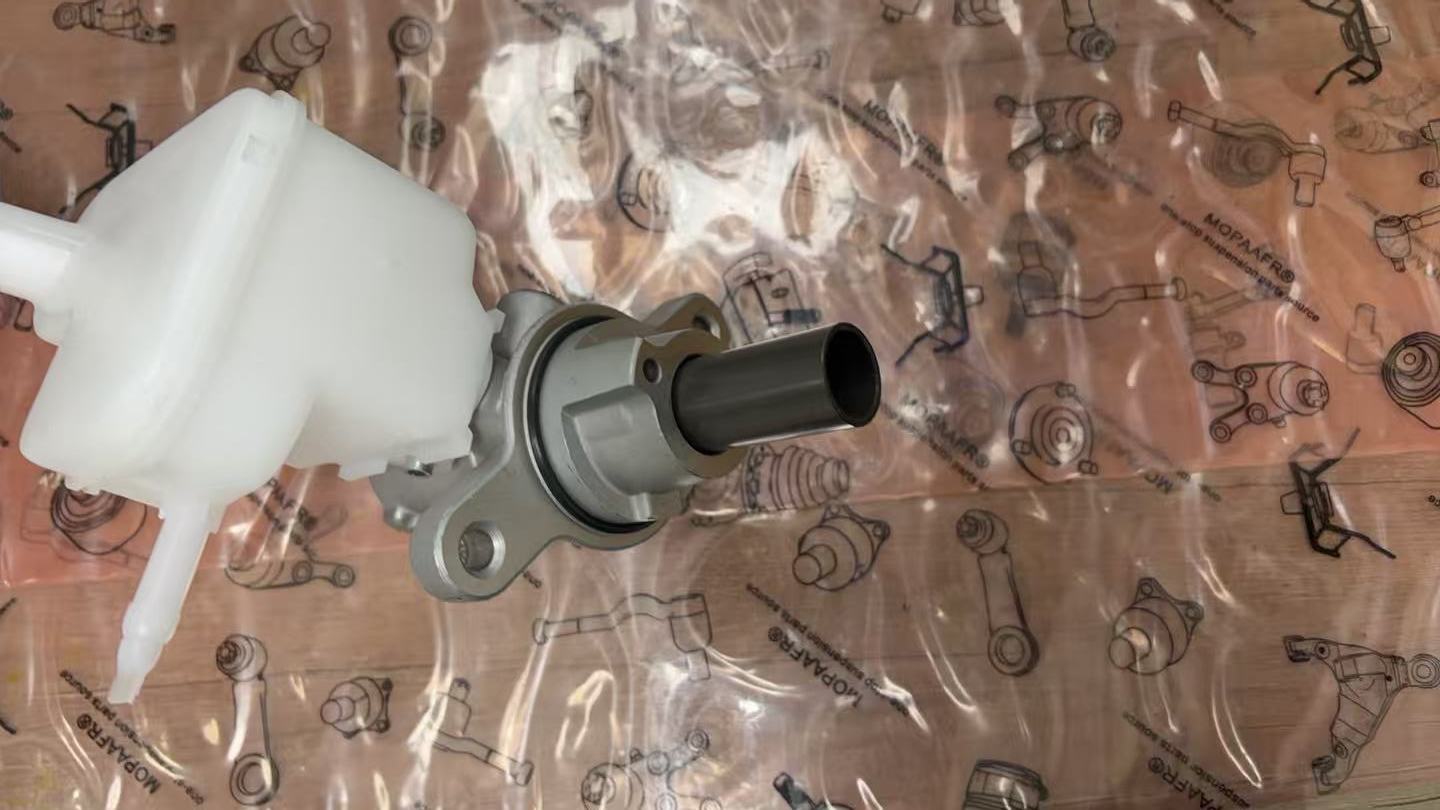
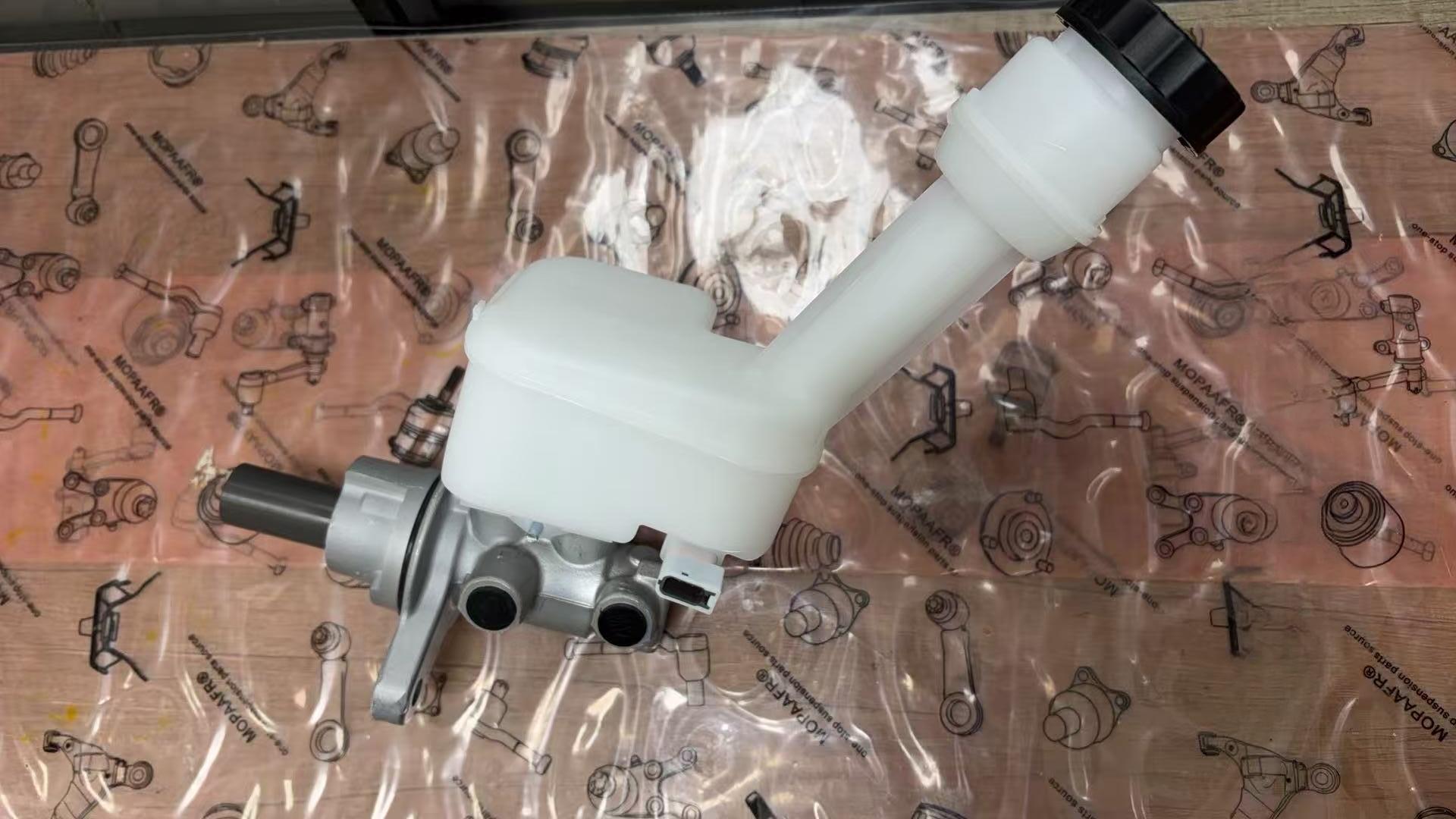
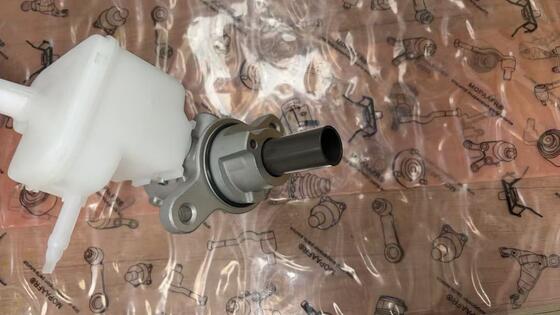
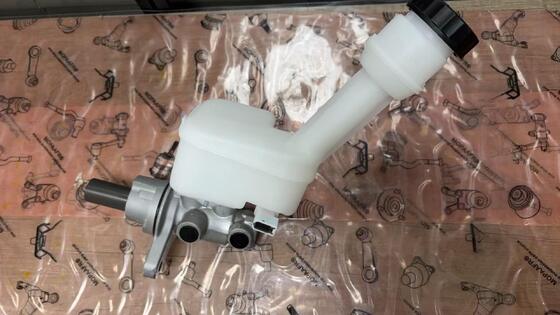
| Place of Origin | CHINA |
|---|---|
| Brand Name | MOPAAFR |
| Certification | TS16949 |
| Model Number | 51100-54P21 |
| Document | 51100-54P21.pdf |
| Minimum Order Quantity | 10pcs |
| Price | whole price |
| Packaging Details | brown box |
| Delivery Time | 5-8work days |
| Payment Terms | L/C,D/A,D/P,T/T |
| Supply Ability | 35000pcs-40000pcs/month |
Product Details
| Part Number | 51100-54P21 | Product Type | Brake Master Cylinder |
|---|---|---|---|
| Vehicle Fitment | Suzuki SX4 S-Cross (JY), Vitara (LY) | Material | Aluminium |
| Application | Hydraulic Brake System | Warranty | Quality Assurance |
| Highlight | Suzuki SX4 brake master cylinder,Suzuki Vitara D16AA master cylinder,1.6L brake master cylinder |
||
Product Description
Product Function Description
The brake master cylinder is a critical component of your Suzuki vehicle's braking system. This hydraulic device converts the mechanical force of the brake pedal into hydraulic pressure, distributing brake fluid through the brake lines to activate the brakes at each wheel. For Suzuki SX4 S-Cross and Vitara models equipped with the D16AA 1.6L engine, a properly functioning brake master cylinder is essential for consistent braking performance, reliable stopping power, and safe vehicle operation. This component is designed to factory specifications, ensuring proper fit and reliable brake system performance.
Common Symptoms of a Failing Brake Master Cylinder
If you are experiencing any of the following symptoms, your brake master cylinder may be failing and in need of replacement :
-
Spongy or soft brake pedal: The pedal feels mushy and travels too far before engaging – this indicates internal seal failure or fluid bypass
-
Brake pedal slowly sinks to the floor: The pedal continues to drop while holding pressure at a stop – this suggests internal leakage
-
Brake fluid leaks: Visible fluid under the vehicle or around the master cylinder area – this indicates external seal failure
-
Reduced braking power: The vehicle takes longer to stop than normal – this suggests insufficient hydraulic pressure
-
Brake warning light: The dashboard warning light illuminates
-
Low brake fluid level: Unexplained drop in fluid level without visible external leaks elsewhere
If you have confirmed these symptoms through inspection, replacing the brake master cylinder is the recommended solution.
When Should You Replace It?
Consider replacing your brake master cylinder if you experience any of the following symptoms:
-
Spongy or soft brake pedal that does not improve with bleeding
-
Brake pedal slowly sinks to the floor while holding pressure
-
Brake fluid leaks around the master cylinder area
-
Brake warning light appears on the dashboard
-
Low brake fluid level without visible external leaks
-
Contaminated or dark-colored brake fluid in the reservoir
Note: Brake master cylinders are critical safety components that should be inspected during brake service and replaced when signs of wear or damage appear. The master cylinder on the Suzuki SX4 and Vitara typically lasts many years and well beyond 160,000 km, but should be replaced sooner if hydraulic pressure drops, fluid leaks appear, or the pedal sinks when pressed .
Product Attributes
| Part Number | 51100-54P21 |
| Product Type | Brake Master Cylinder Assembly |
| Application | Hydraulic Brake System |
| Vehicle Type | SUV / Crossover |
| Position | Left-Hand Drive (LHD) |
| Piston Diameter | 22.2 mm |
| Thread Size | M12 x 1 (for brake line connections) |
| Material | Aluminium |
| Included Components | Master cylinder, reservoir, cap |
| Confirmed Fitment | SX4 S-Cross (JY) 2013+, Vitara IV (LY) 2015+ |
| Warranty | 365 days |
Why Choose This Brake Master Cylinder?
Restores Braking Performance – A failing master cylinder reduces braking effectiveness and compromises vehicle safety. This new cylinder restores proper hydraulic pressure for reliable stopping power.
Direct Replacement – Precision-engineered to match the original cylinder specifications. Direct bolt-on replacement – no modifications required. This part number cross-references with 51100-54P20 and is compatible with multiple Suzuki applications .
Proven Compatibility – This cylinder is confirmed compatible with Suzuki SX4 S-Cross (JY, 2013-2022+) and Vitara (LY) models with various engine options including 1.0, 1.4, 1.6 petrol, and 1.6 DDiS diesel engines .
Quality Construction – Manufactured with aluminium housing and 22.2mm piston diameter to withstand demanding braking conditions and provide long service life .
Essential for Vehicle Safety – The brake master cylinder is a critical safety component that directly affects stopping ability and vehicle control.
Package Contents
1 x Brake Master Cylinder. Note: Please confirm the exact package contents and compatibility with your vehicle model, year, and engine before purchasing.
DIY or Professional Installation?
This replacement is suitable for DIY if:
-
You have intermediate mechanical skills and the required tools (flare nut wrenches, torque wrench, brake bleeder kit).
-
You are comfortable working with brake system components and hydraulic lines.
-
The job takes approximately 1-2 hours.
We recommend professional installation if:
-
You are not comfortable with brake system repairs.
-
You do not have the proper tools for brake bleeding and line disconnection.
-
You are not confident in your mechanical skills.
Note: Improper installation can lead to brake failure, safety issues, and warranty concerns. After installation, the entire brake system must be properly bled to remove air. Bench-bleeding the master cylinder before installation is required to ensure proper operation.
Step-by-Step Installation Guide
This installation guide is designed to help you replace your brake master cylinder with confidence. Before starting, ensure the vehicle is parked on level ground with the engine off. You will need the following tools: flare nut wrenches, socket set, torque wrench, brake bleeder kit, and new brake fluid.
Step 1: Drain the brake fluid from the reservoir. Place a suitable container underneath to catch any fluid spillage.
Step 2: Use a flare nut wrench to disconnect the brake lines from the old master cylinder. Be careful not to damage the line fittings.
Step 3: Remove the mounting nuts securing the master cylinder to the brake booster. Carefully remove the old cylinder.
Step 4: Transfer the reservoir and cap to the new cylinder if required. Install the new master cylinder and tighten the mounting nuts to factory torque specifications.
Step 5: Reconnect all brake lines and tighten to specification. Fill the reservoir with fresh DOT-3 or DOT-4 brake fluid.
Step 6: Bench-bleed the master cylinder before installation to remove internal air. Bleed the entire brake system starting from the wheel farthest from the master cylinder. Test brake pedal feel – it should feel firm and consistent.
Pro Tip: Always bench-bleed the new master cylinder before installation to remove internal air – this step cannot be skipped. Use a flare nut wrench to avoid rounding the brake line fittings. Inspect brake lines for corrosion and replace if necessary.
Common Misconceptions About Brake Master Cylinders
Myth 1: “If the brake pedal feels spongy, bleeding the brakes will fix it.”
Fact: While bleeding is necessary to remove air, a spongy pedal that persists after bleeding often indicates internal master cylinder seal failure.
Myth 2: “The master cylinder doesn’t need replacing unless it’s leaking externally.”
Fact: Master cylinders can fail internally without any external leakage, allowing fluid to bypass the seals and reducing braking pressure .
Myth 3: “All master cylinders with the same piston diameter are interchangeable.”
Fact: Master cylinders must match the vehicle’s brake system specifications including port configuration, mounting points, and reservoir design. Using the correct part number ensures proper fitment.
After-Sales Service & Warranty
This product is covered by our quality assurance. If you have any questions or issues regarding fitment or quality, please contact us and we will respond within 24 hours.
Related Product Recommendations
When replacing the brake master cylinder, it is often recommended to inspect and consider replacing the following related components at the same time.
Recommended Related Parts:
Brake Calipers – Inspect the front and rear calipers for leaks, sticking pistons, or damaged dust boots. A sticking caliper can cause pulling, uneven pad wear, and reduced fuel efficiency.
Brake Pads – Inspect brake pad thickness. If pads are worn thin, replace them. Contaminated pads from brake fluid leaks should always be replaced.
Brake Drum and Shoes (Rear) – If the vehicle has rear drum brakes, inspect the drums for scoring and the shoes for wear or contamination. Replace as needed.
Wheel Cylinders (Rear Drum) – For rear drum brake vehicles, inspect the wheel cylinders for leakage. Leaking cylinders can contaminate brake shoes and reduce braking effectiveness.
Recommended Products
