


All Products
-
Car Suspension Mount
-
Steering Suspension Components
-
Car Shock Absorber
-
Brake Master Cylinders
-
Drum Brake Shoes
-
Automotive Wheel Bearings
-
Vehicle Spare Parts
-
Clutch Cover Plate
-
Suspension Ball Joints
-
Steering Rack Gearbox
-
Inner Outer Tie Rod End
-
Steering Rack Boot
-
Power Steering Pump
-
Disc Brake Pads
-
Auto Engine Parts
-
 Andrea MontagnaHi Lee,I would like to get 1000pcs of Hliux vigo front shock from last conversation. I know business will be very busy once we finish Quarantine this May.Everything will going again. I would like for shock absorber be produced during this period so when things open I could have in shipment or soon to be received.Thank you.
 -
Seium HossainHi Leo, Thanks, All brake shoes and brake pads arrived in good condition and were just what we required.
-
Andresproducto muy,supera mis espectativas.Gracias!
-
Jose BurgVery nice! The product quality is very good! The packing is beautiful!
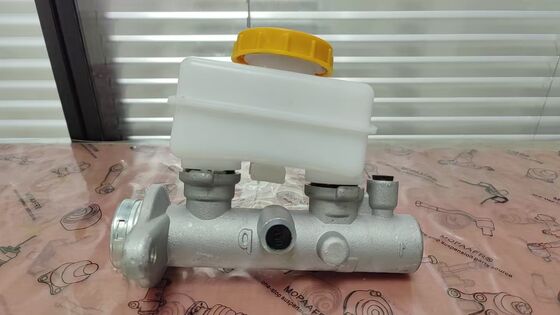
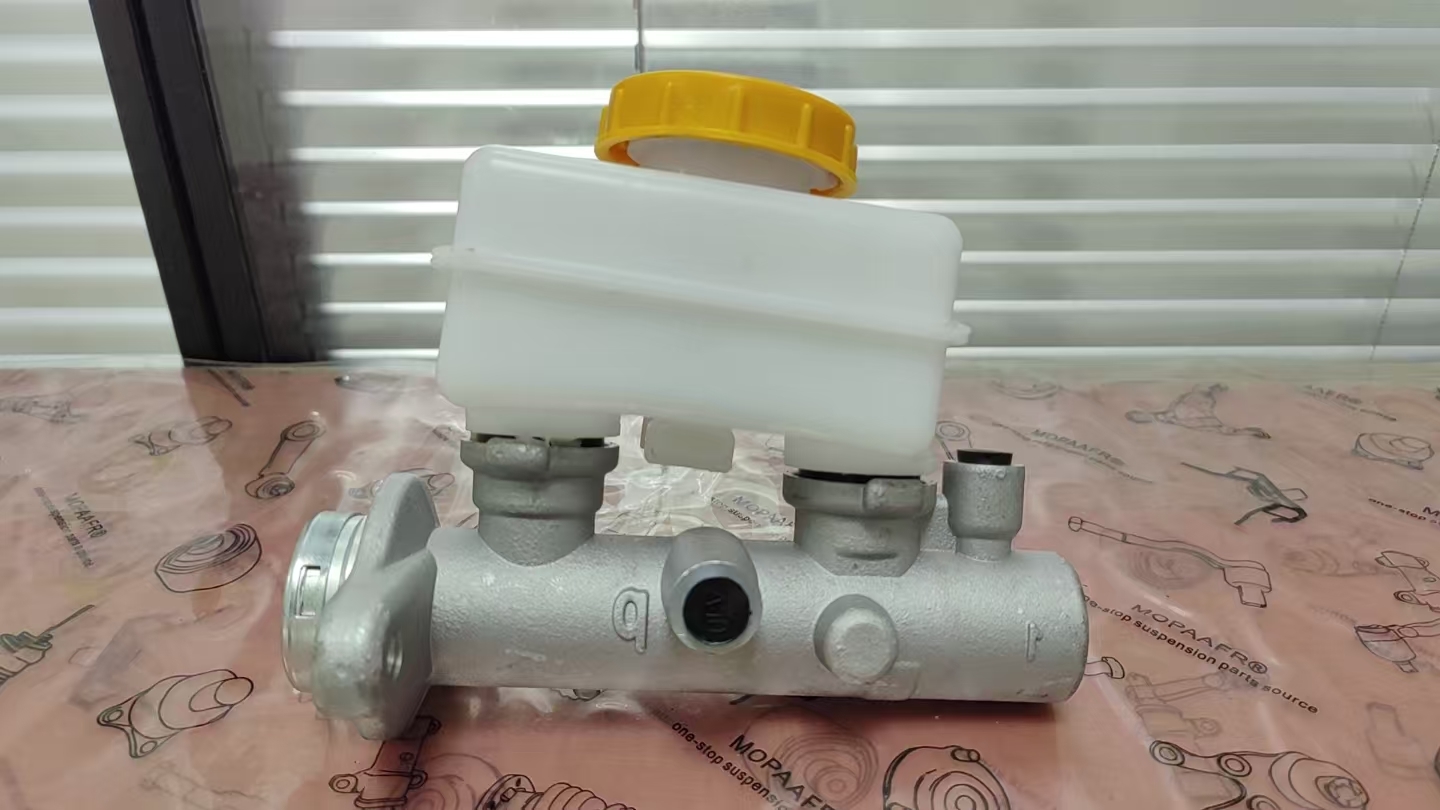
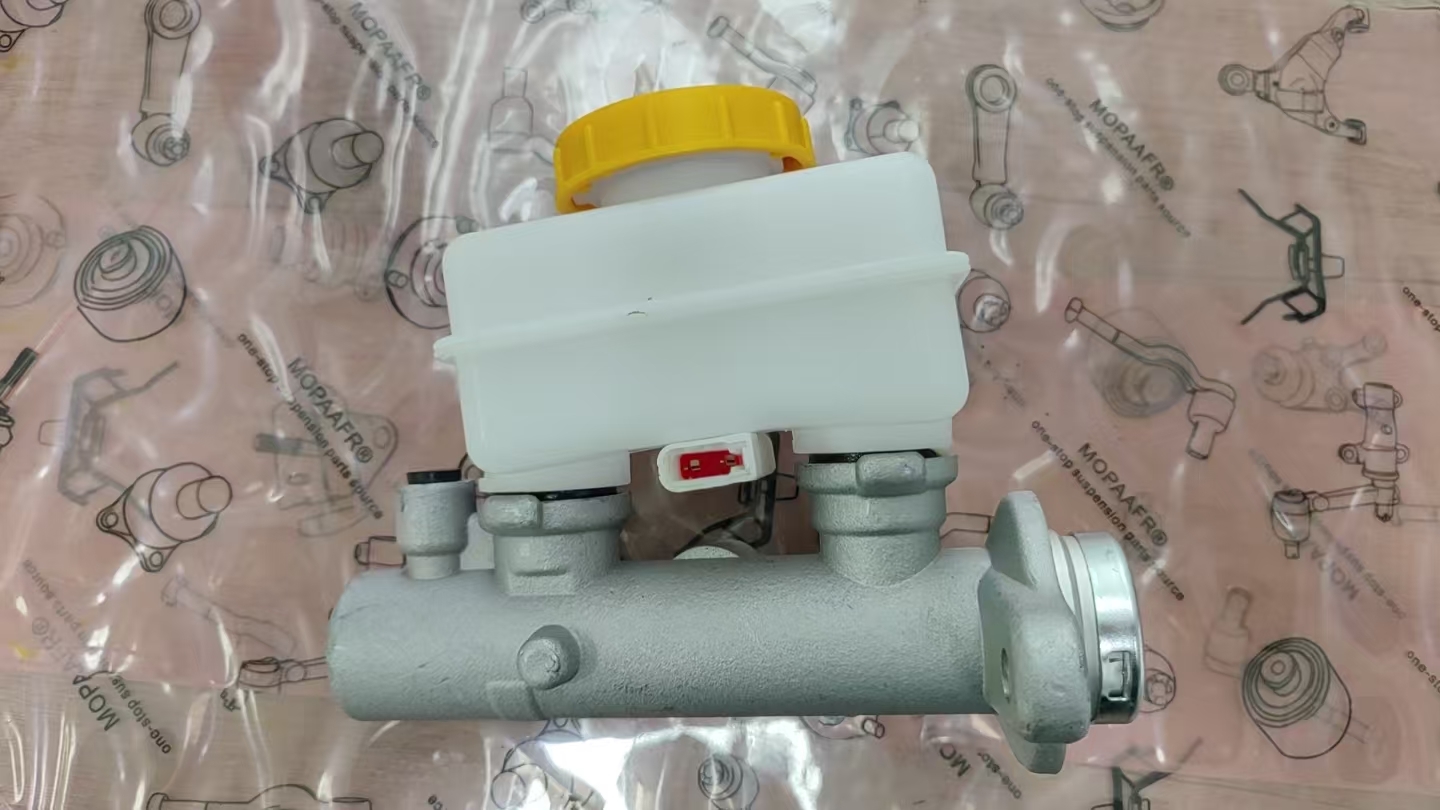
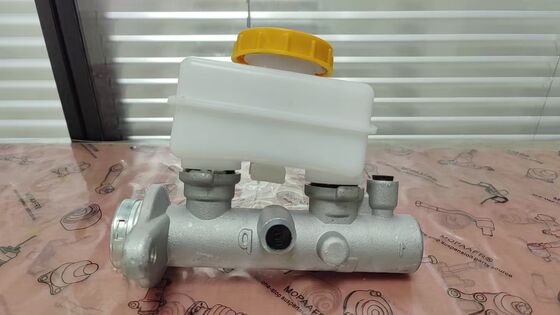
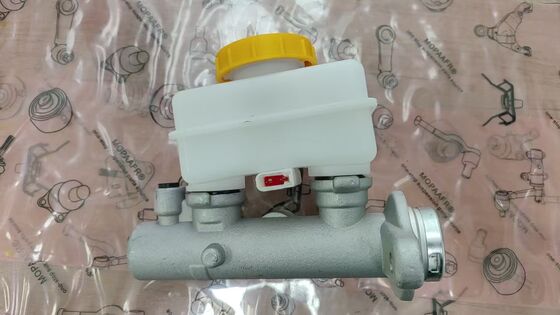
46010-VK101 Cylinder Assy, Brake Master Fits 46010VK101 Nissan Navara Pickup
| Place of Origin | CHINA |
|---|---|
| Brand Name | MOPAAFR |
| Certification | TS16949 |
| Model Number | 46010-VK101 |
| Document | 46010-VK101.pdf |
| Minimum Order Quantity | 10pcs |
| Price | whole price |
| Packaging Details | brown box |
| Delivery Time | 5-8work days |
| Payment Terms | L/C,D/A,D/P,T/T,, |
| Supply Ability | 35000pcs-40000pcs/month |
Product Details
| Part Number | 46010-VK101 | Product Type | Brake Master Cylinder Assembly |
|---|---|---|---|
| Application | Hydraulic Brake System | Vehicle Type | Pickup / Light Commercial |
| Installation Type | Bolt-on, Direct Replacement | Warranty | Quality Assurance |
| Highlight | Nissan Navara brake master cylinder,46010VK101 brake cylinder assembly,brake master cylinder with warranty |
||
Product Description
Core Product Description
The 46010-VK101 Brake Master Cylinder is a hydraulic component for the Nissan Navara pickup (D22 generation) manufactured . Also known as a brake master cylinder assembly or master cylinder, this part is mounted on the firewall vacuum brake booster and converts brake pedal force into hydraulic pressure, distributing brake fluid to the front and rear brake circuits for safe and controlled stopping power.
The master cylinder is a critical safety component. It draws brake fluid from the reservoir and pushes it through the brake lines to the ABS/ESC hydraulic modulator and wheel cylinders/calipers. A failing master cylinder can cause a spongy or sinking brake pedal, fluid leaks, or uneven braking.
This is a direct replacement part for specific Nissan Navara D22 applications.
Product Attributes
| Part Number | 46010-VK101 |
| Product Type | Brake Master Cylinder Assembly |
| Application | Hydraulic Brake System |
| Vehicle Type | Pickup / Light Commercial |
| Compatible Brands | Nissan |
| Model | Navara Pickup (D22) |
| Position | Firewall / Brake Booster |
| Notes | Piston diameter and ABS compatibility vary by application |
When Should You Replace It?
Consider replacing your brake master cylinder assembly if you experience any of the following symptoms:
-
Spongy or soft brake pedal – the pedal feels mushy and travels too far before engaging
-
Brake pedal slowly sinks to the floor while holding pressure at a stop
-
Brake fluid leaks visible under the vehicle or around the master cylinder area
-
Brake warning light appears on the dashboard
-
Reduced braking power – the vehicle takes longer to stop than normal
-
Brake pedal feels hard and requires excessive force
-
Contaminated or dark-colored brake fluid in the reservoir
-
Low brake fluid level without visible external leaks elsewhere (internal leakage)
Note: Brake master cylinders are critical safety components that should be inspected during brake service and replaced when signs of wear or damage appear .
Why Choose This Brake Master Cylinder?
Restores Braking Performance – A failing master cylinder reduces braking effectiveness and compromises vehicle safety. This new cylinder restores proper hydraulic pressure for reliable stopping power.
Prevents Brake System Damage – Internal seal failure can allow fluid bypass and contamination of the brake system. Replacing a failing unit early helps prevent more costly repairs.
Direct Replacement – Precision-engineered to match the original cylinder specifications. Direct bolt-on replacement – no modifications required.
Essential for Vehicle Safety – The brake master cylinder is a critical safety component that directly affects stopping ability and vehicle control.
Package Contents
1 x Brake Master Cylinder Assembly. Note: Brake fluid and mounting hardware are NOT included unless stated. Please confirm compatibility with your Nissan Navara model, year, and drive type before purchasing.
Inspection & Maintenance Recommendations
The brake master cylinder is a critical safety component that should be inspected regularly. Any signs of leakage or abnormal pedal feel require immediate attention.
Common indicators that the master cylinder may need replacement:
| Indicator | Description |
|---|---|
| Spongy brake pedal | Brake pedal feels soft or spongy under pressure |
| Sinking pedal | Pedal slowly sinks to the floor under steady pressure |
| Fluid leaks | Brake fluid visible at the cylinder-to-booster joint or pipe connections |
| Low fluid level | Reservoir level drops without visible external leaks |
| Brake warning light | Warning light illuminated on the dashboard |
Inspection Checklist:
-
Check the master cylinder for fluid leakage at the cylinder-to-booster joint and at pipe connections.
-
Check brake fluid level and condition (dark, contaminated fluid indicates wear).
-
Check for a sinking or spongy brake pedal.
-
Check brake fluid color—contaminated fluid should be replaced.
Maintenance Tips:
-
Replace brake fluid every 24 months or approximately 40,000 km to prevent moisture contamination.
-
Use the brake fluid grade shown on the reservoir cap or owner's manual (typically DOT 3 or DOT 4).
-
The master cylinder assembly cannot be disassembled; replace as a complete unit if faulty.
FAQ
Q1: How can I be sure this master cylinder fits my Navara?
A1: The most reliable method is to check the existing part number on your vehicle's master cylinder. This part is confirmed for Navara D22 , but ABS configuration, LHD/RHD, and engine type determine the exact variant. Always verify via VIN and vehicle specifications.
Q2: Is this for vehicles with or without ABS?
A2: Different master cylinders are used for vehicles with and without ABS. Confirm your vehicle's ABS configuration before ordering.
Q3: What is the piston diameter of this master cylinder?
A3: Piston diameter varies by application—common sizes include 23.7mm, 23.81mm, and 25.4mm depending on the specific ABS, LHD/RHD, and engine configuration.
Q4: Can I disassemble and rebuild the master cylinder?
A4: No. The Nissan factory service manual states that the master cylinder assembly cannot be disassembled—it must be replaced as a complete unit.
After-Sales Service & Warranty
This product is covered by our quality assurance. If you have any questions or issues regarding fitment or quality, please contact us and we will respond within 24 hours.
Recommended Related Products
Brake Booster / Vacuum Booster – The master cylinder mounts to the brake booster. If the booster is failing, brake pedal effort may be increased.
Brake Lines / Hoses – Inspect brake lines and hoses for wear, corrosion, or damage while replacing the master cylinder.
Recommended Products
